



Boso-no-Mura Guide: The Best Hidden Samurai Village & Museum in Chiba!
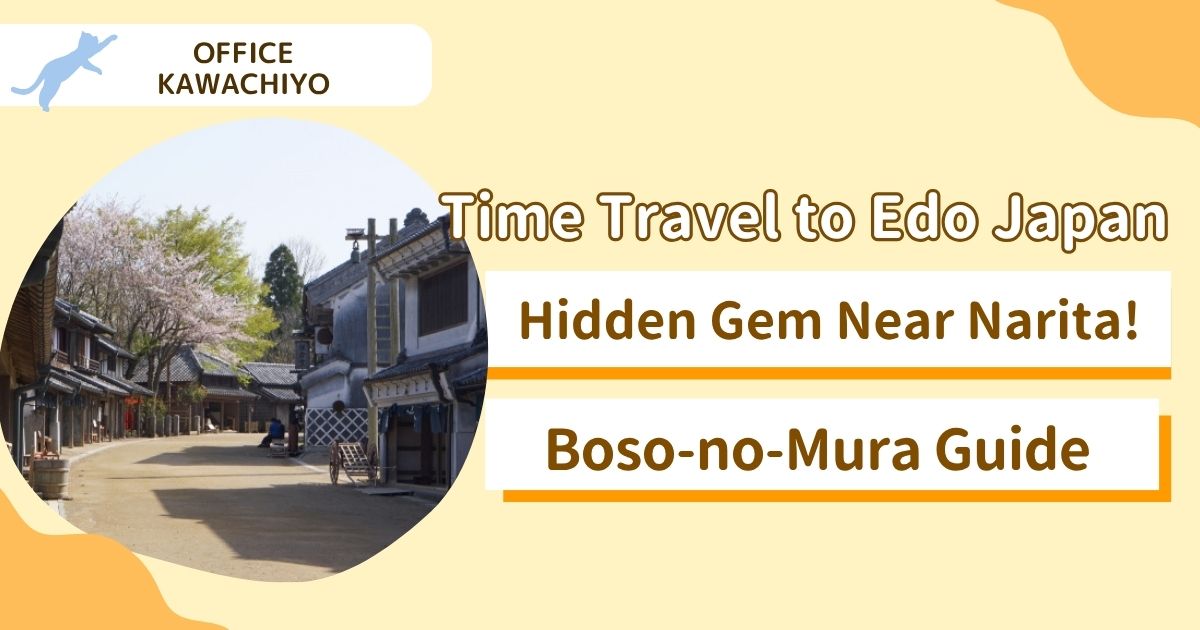
Back during summer vacation in 2017, I visited a place in Chiba called “Boso-no-Mura” (Boso Village).
To be honest, I initially thought it was just going to be a cheap, budget version of famous samurai theme parks like Nikko Edo Wonderland. Since I had no other plans, I figured, “Well, I might as well go at least once…”
But boy, was I wrong. This place turned out to be insanely fun!
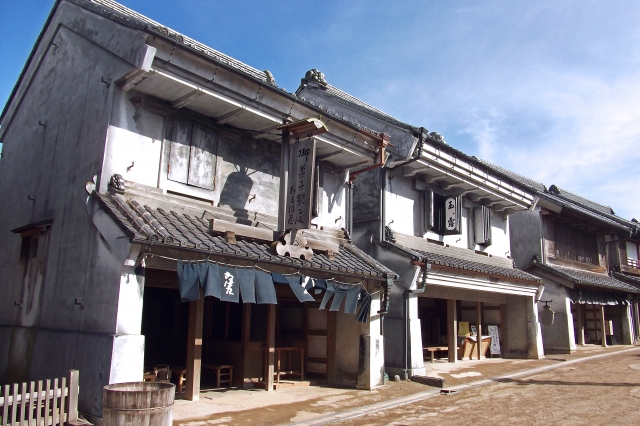
What is “Boso-no-Mura” (Chiba Prefectural Open-Air Museum)?
Located near Lake Inbanuma, just a short trip from Narita Airport, Boso-no-Mura is a massive, hands-on, open-air history museum.
It meticulously recreates the streetscapes of the Edo period (1603-1867), ancient burial mounds (kofun), Yayoi-period pit dwellings, and even romantic Taisho-era architecture. If you’re a writer, artist, or photographer looking for authentic historical reference material, this place is an absolute goldmine.
As a “hands-on” museum, they offer various traditional workshops depending on the day. You can try Japanese papermaking (kami-suki), making ancient curved jewels (magatama), or weaving straw sandals (waraji)—usually for just the cost of materials!
It is a great place for kids, so if you go during the wrong season, you might run into swarms of elementary school field trips. However, because I went during the summer holidays, it was blissfully quiet. Even as a grown adult, I was able to fully geek out and enjoy the village.
 me
meBy the way, on certain days, they hold a “Free Night Walk in Yukata” event. If you hate seeing happy, romantic couples in summer kimonos, you might want to avoid those days!
But the biggest shock? The entrance fee is only 300 yen (about $2 USD)! Yes, you get to explore a massive historical theme park for 300 yen.
Even crazier, junior high school students and seniors over 65 get in for FREE. Parking is also free. Boso-no-Mura is terrifyingly generous.
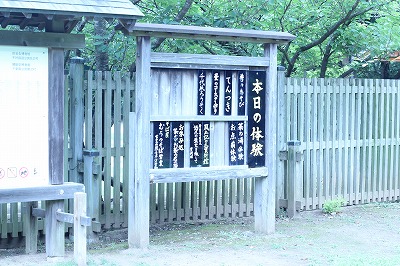
Lunch Like a Local in the Edo Period: Soba & Inari!
We arrived at the village around 12:30 PM. At that time, I hadn’t realized how massive this place was. I casually thought, “Let’s grab some lunch and wander around.”
Warning: Night falls early in this village. The park closes at 4:30 PM, and the traditional Soba noodle shop inside the park closes its doors at 1:30 PM.
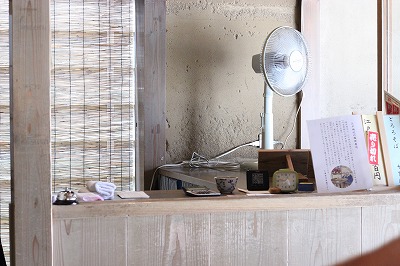
You also have to watch out for the dreadful “Sold Out” sign. Right as I ordered my Tororo Soba (buckwheat noodles with grated yam) and Edo Inari (sweet fried tofu stuffed with rice), the Inari was marked sold out immediately after! I barely made it.
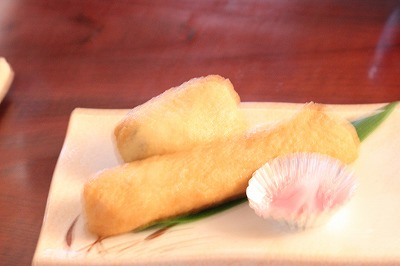
And let me tell you, this long, traditional Edo-style Inari sushi was ridiculously delicious.
The soba noodles had the perfect firm texture. Eating them while listening to the wind chimes ring outside and smelling the scent of the old tatami room… I honestly just wanted to take a nap right there on the floor.
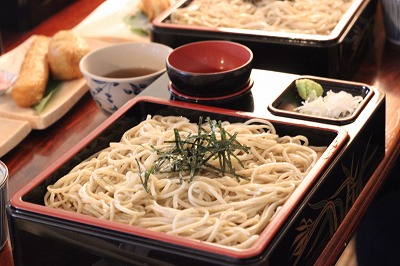
If you visit Boso-no-Mura, getting here early to eat this Soba & Inari set is an absolute must!
Exploring the Massive Grounds
I cannot stress this enough: This place is HUGE.
Beyond the 300-yen paid Edo zone, there are surrounding free areas like the “Drum Village,” the Archaeological Museum, officially designated historical farmhouses, and an old schoolhouse. It is so big that you literally cannot see everything in one day!
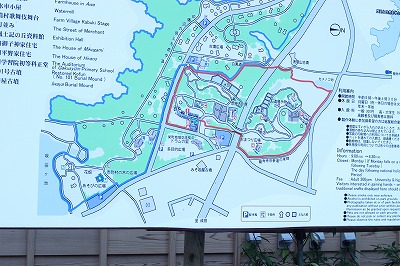
Once you pass the Edo village and the ancient Asuka/Kofun period exhibits, you suddenly find yourself in a deep forest that looks like something out of Jurassic Park. I almost got lost in the woods!
The Edo-Period Townscape
The Edo village zone is exactly what it sounds like.
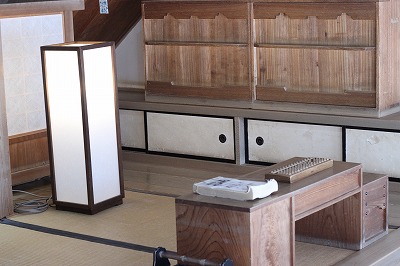
It is lined with exciting replicas of historical shops, like traditional paper stores and pharmacies. You can even walk up to the second floors.
Usually, touching museum exhibits is strictly prohibited, but since this is a hands-on facility, you can often gently touch the items if you ask the staff!
meI touched a dried rainbow trout thinking it was a plastic replica, and screamed when I realized it was a real, preserved fish!
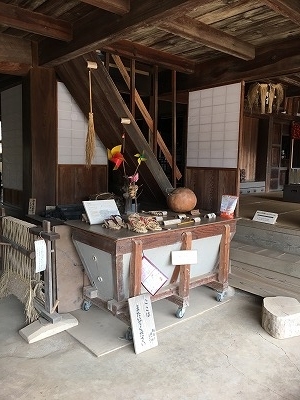
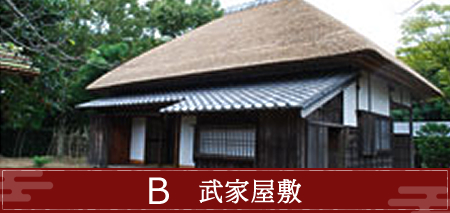
Traditional Farmhouses
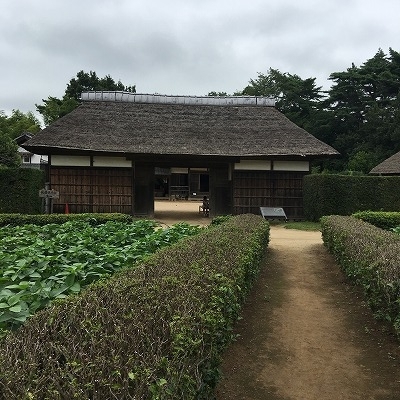
There are also beautiful old Japanese rural houses. Walking through them, my modern, spoiled brain couldn’t help but think, “Wow, people back then lived such inconvenient lives…”
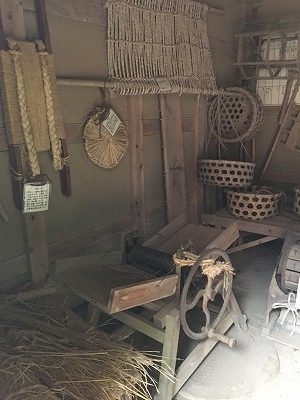
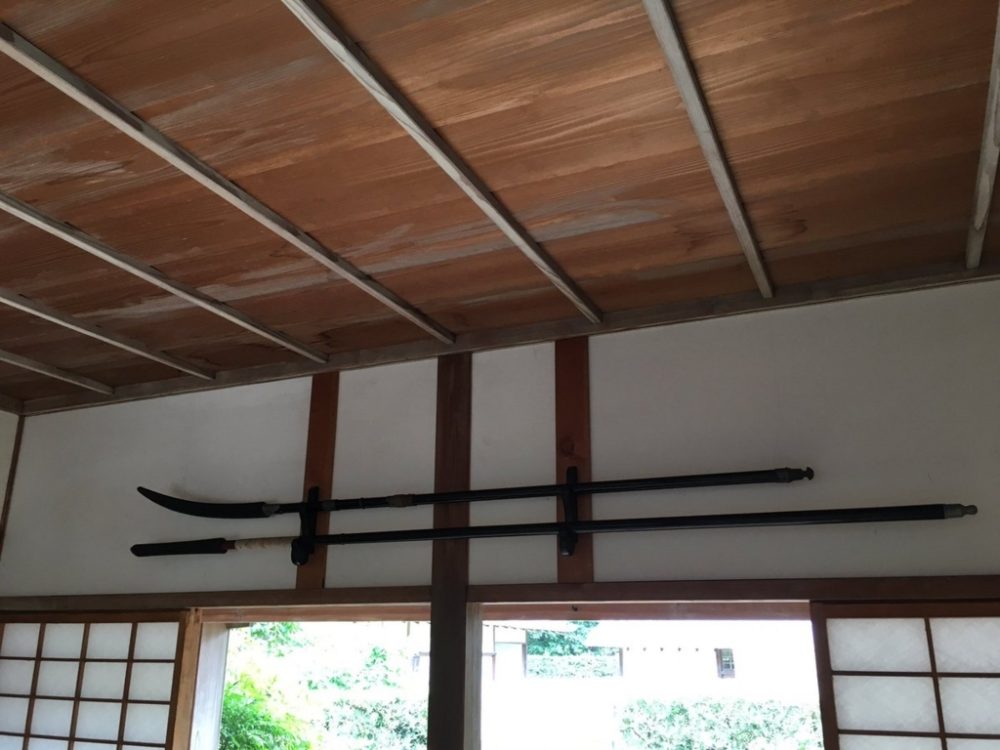
I was taking pictures like a maniac, which caused my heavy DSLR camera battery to die halfway through. So, the rest of the photos are from my smartphone and my friend’s camera!
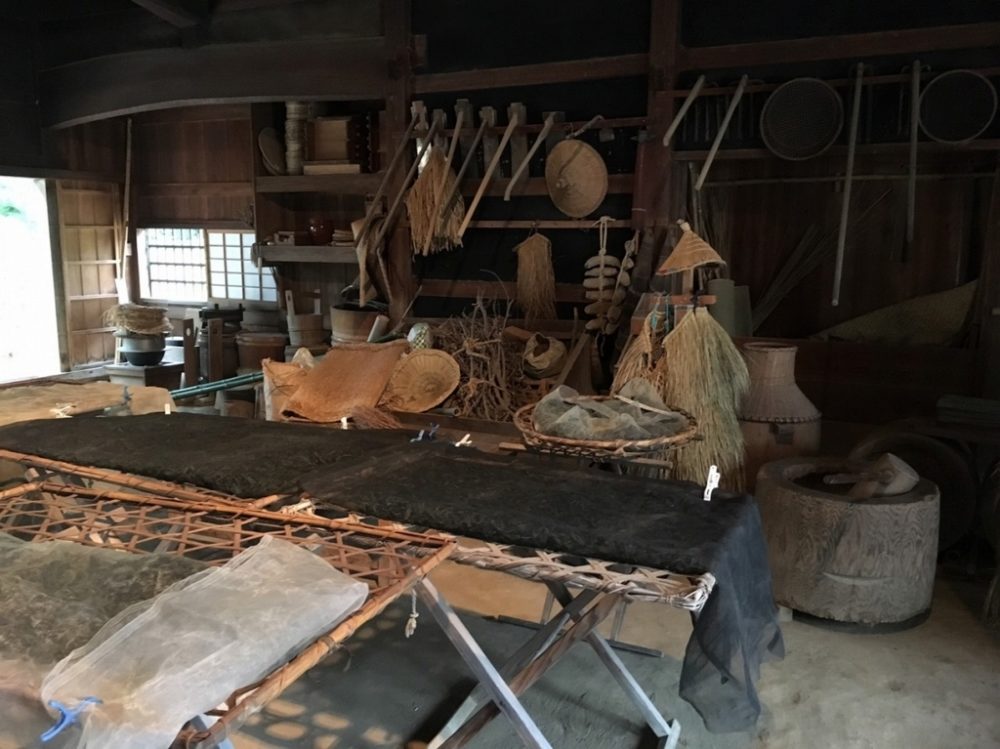
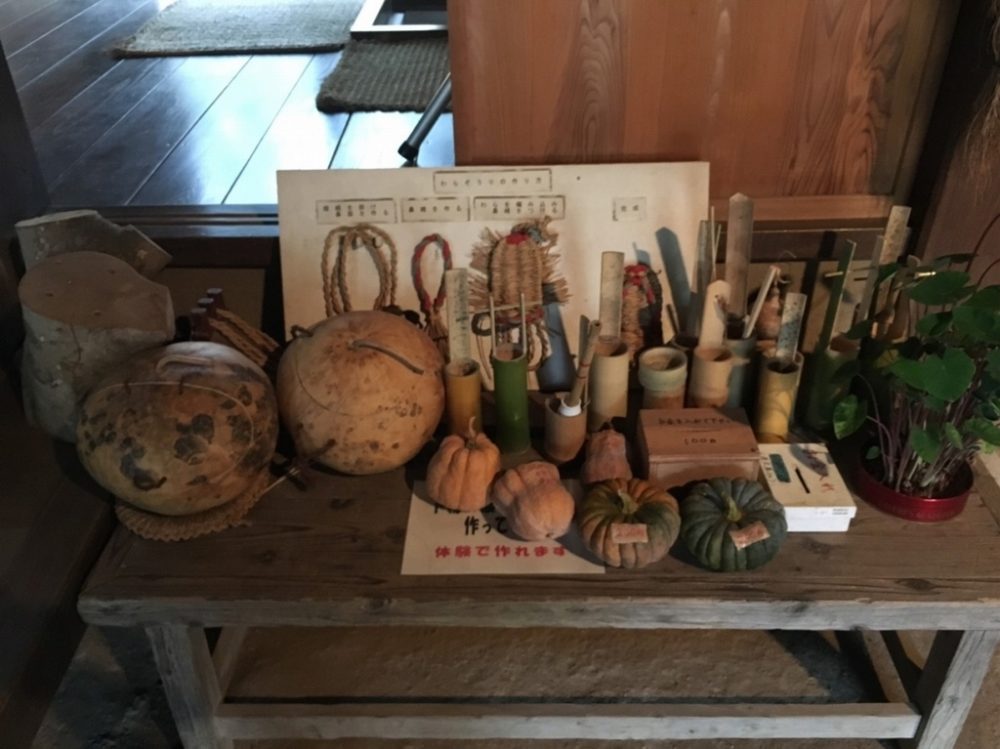
Hands-On Traditional Games
Besides crafts, there are small areas where you can play with traditional Japanese toys for free!
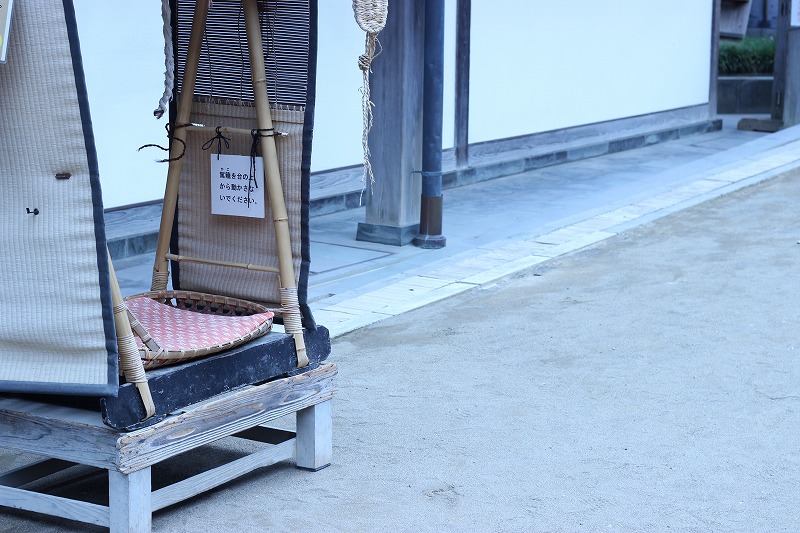
You can sit in an old Kago (a traditional palanquin often seen in samurai dramas).
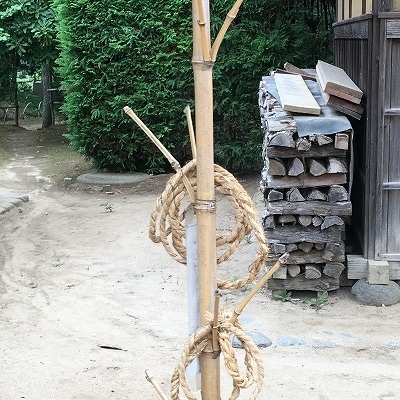
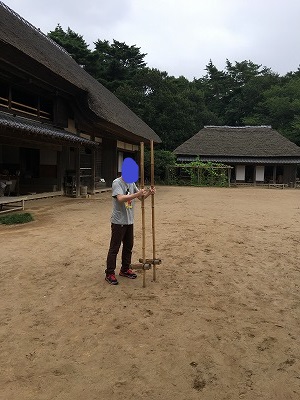
You can try ring toss, menko (traditional card flipping game), spinning tops, and bamboo stilts.
カワチヨ.Seeing adults getting super competitive over these old-school toys is hilarious. I, on the other hand, cannot walk on bamboo stilts, flip a menko, or spin a top to save my life. If I had been born 100 years ago, I definitely would have been bullied at the bottom of the playground caste system.
The “Horror” of the Farming Village Zone
Boso-no-Mura isn’t just the romanticized Edo townscapes; it also recreates the atmosphere of ancient, rural farming villages.
And honestly? The recreation is so hardcore and authentic that it straight-up looks like a scene from the Japanese horror video game “SIREN”.


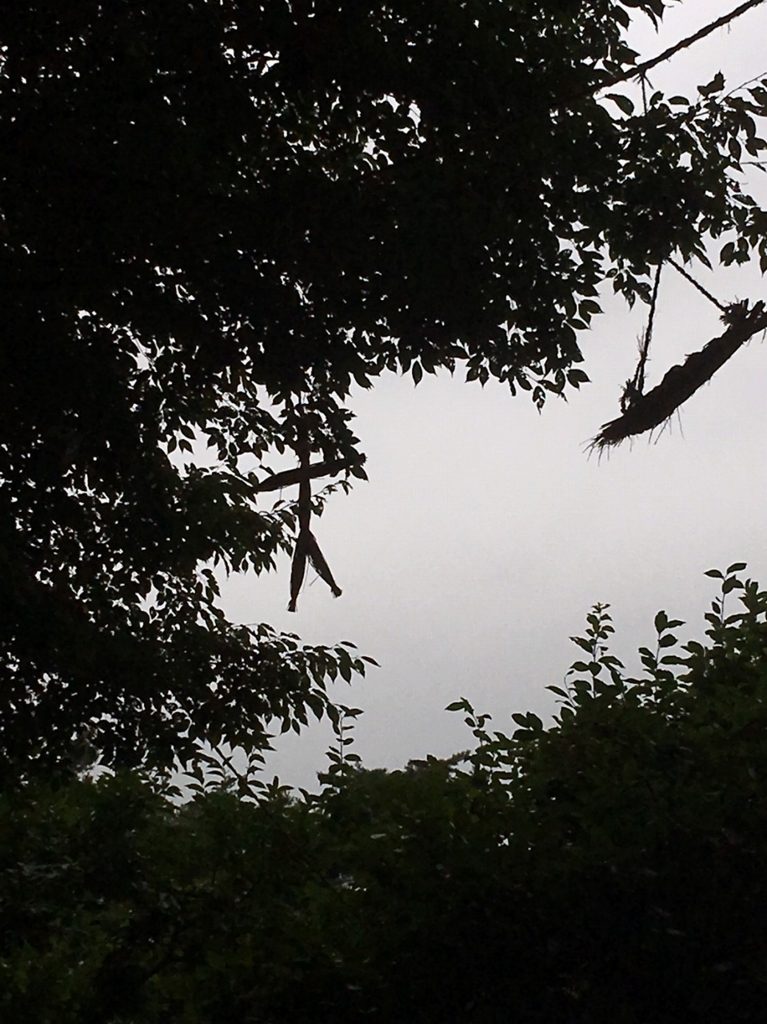
First, you encounter the village boundary wards. They have massive dice made of wood, and creepy straw dolls of humans and animals hanging from ropes over the path.
Apparently, these are traditional charms meant to prevent evil spirits from entering the village. But if you stumble upon this without knowing the context, you’d probably run away screaming.
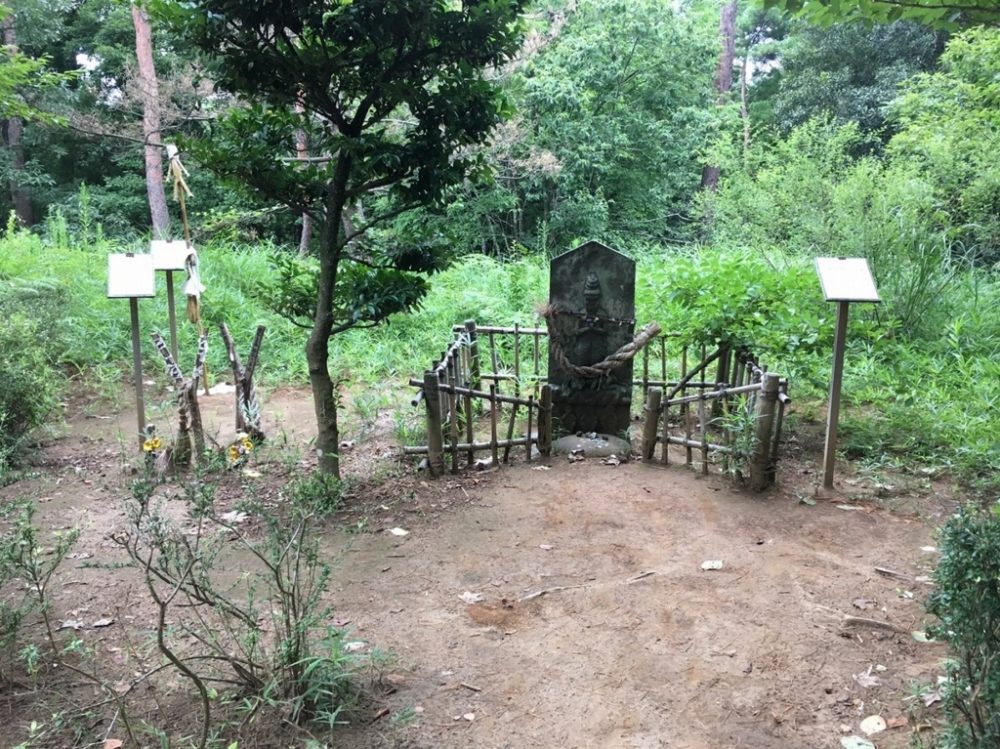
Then there are the Dosojin (travelers’ guardian deities). While you can find these stone deities all over Japan, the ones here are decorated with shiny, cheap jewels and wrapped in intense shimenawa (sacred ropes). It honestly scared me away before any evil spirits even got close.
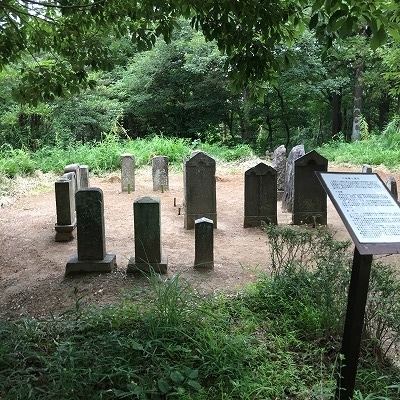
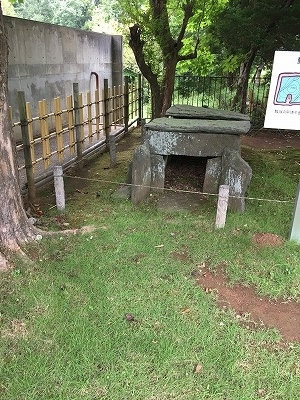
The climax is the village graveyard replica.
Historically, villages placed six specific gravestones in the center as guardian deities… but walking through it just feels like wandering into a dark, occult ritual!
Going Back to the Kofun Period
After spending a few hours wandering through these Silent Hill-esque landscapes while listening to the cicadas cry, I suddenly found myself in the Kofun (Tumulus) period.
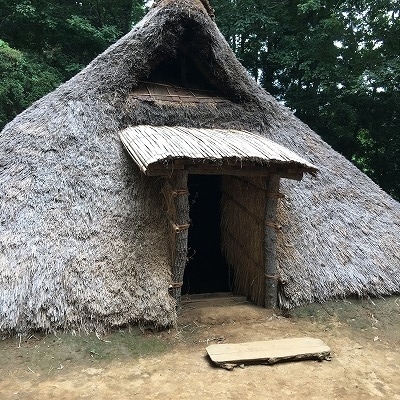
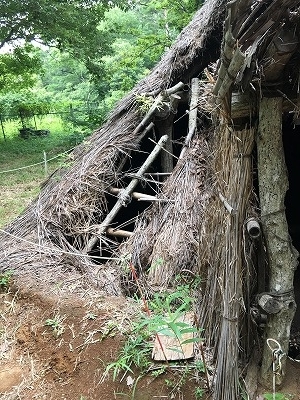
Next to a small museum displaying ancient Haniwa (clay figures) and bows, there is a replica of an ancient pit dwelling.
And yes, you can go inside!
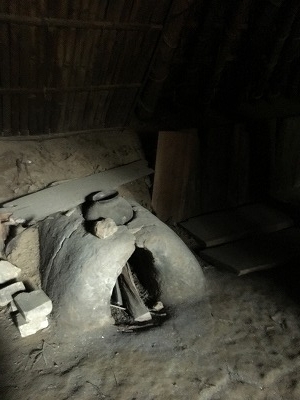
It smelled so strongly of charcoal and smoke that it felt like someone had just been living there a minute ago.
It was hot, too—probably boasting better insulation than the Edo-period houses we saw earlier! It was pitch black inside so I couldn’t get a good picture, but it was surprisingly cozy.
Experiencing a Traditional Tea Ceremony
After walking for four hours, we realized we had only covered about half of the village!
We were exhausted, so we wandered over to the traditional Tea House. An elegant woman in a kimono kindly invited us in, saying, “Would you like some tea?”
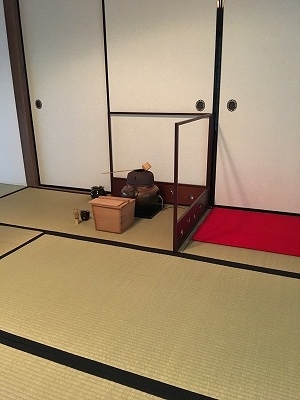
At this tea house, you can actually pay to whisk the matcha yourself. But since we already know the universal truth that “Tea made by someone else always tastes better,” we opted to have the tea master prepare it for us.
For just 450 yen (about $3 USD), you get a bowl of freshly whisked matcha and a beautiful, seasonal Japanese sweet (Wagashi).
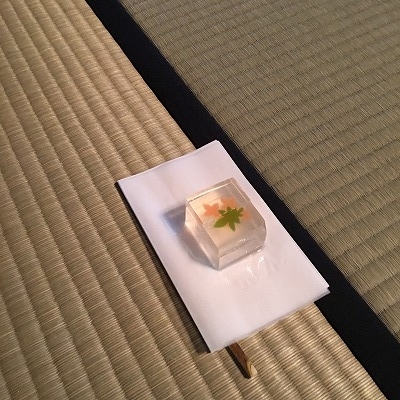
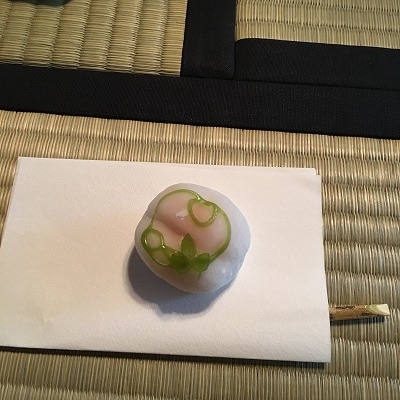
Listening to the master explain the etiquette of tea and the history of Sen no Rikyu (the founder of the Japanese tea ceremony) while sitting in a traditional room… 450 yen is an absolute steal.
The sweets were perfectly balanced—not too sweet, but enough to send much-needed glucose to our tired bodies. The rich, slightly bitter matcha that followed was simply divine.
meThe sweets were perfectly balanced—not too sweet, but enough to send much-needed glucose to our tired bodies. The rich, slightly bitter matcha that followed was simply divine.
Final Verdict: Boso-no-Mura is Highly Recommended for Adults!
I thoroughly enjoyed Boso-no-Mura. It is incredibly fun for adults, and since we arrived in the afternoon, we didn’t even get to see half of it! If you are a writer, artist, or history buff, this is the perfect place to gather reference material.
It has officially been upgraded to one of my Top Leisure Spots in Chiba.
Someday, I want to go back, try on samurai armor, whisk my own tea, and explore all the areas we missed this time.
Boso-no-Mura. Do not underestimate it!
Museum Details: Boso-no-Mura
- Name: Chiba Prefectural Boso-no-Mura (千葉県立房総のむら)
- Address: 1028 Ryukakuji, Sakae-machi, Inba-gun, Chiba
- Hours: 9:00 AM – 4:30 PM
- Entrance Fee: Adults 300 yen / High School & College Students 150 yen / Jr. High & Under, and Seniors (65+) FREE
- Closed: Mondays (or the following day if Monday is a holiday), Year-end/New Year holidays.
- Access: Bus or Taxi from JR Narita Station or JR Ajiki Station
- Parking: Free
- Official Website: Boso-no-Mura Official
\\We also introduce other recommended gourmet spots and tourist attractions.//

-
 The Ultimate Gratin Toast at Jiro Coffee! A Hidden Gem of Japanese Kissa Cafes
-
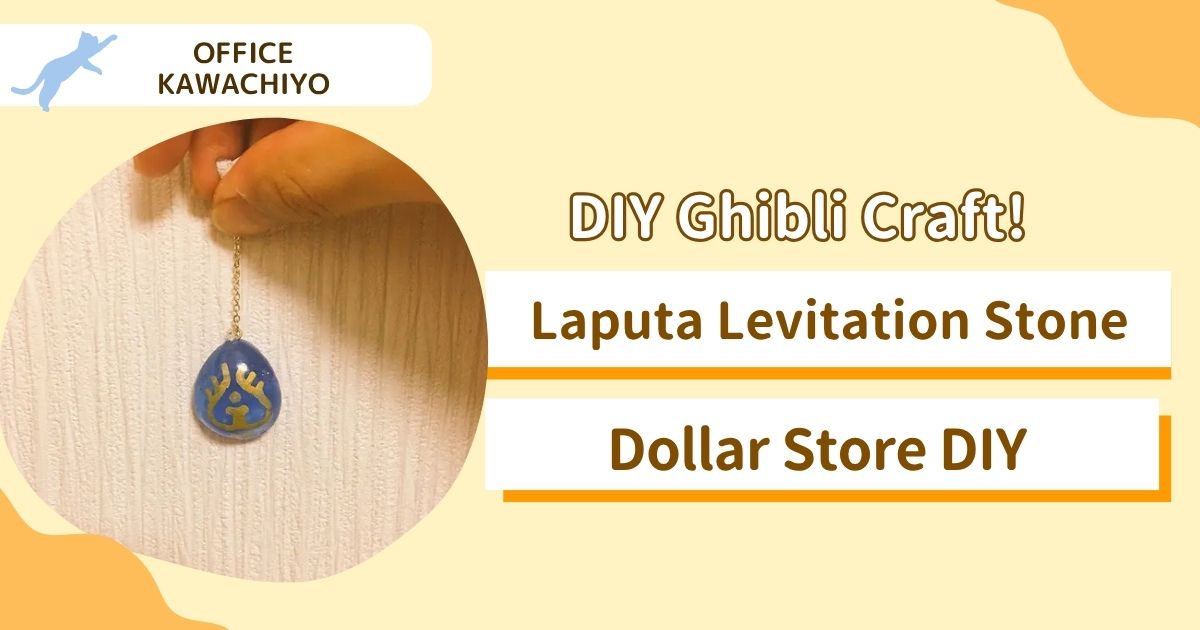 DIY Studio Ghibli Craft: How to Make a Laputa "Levitation Stone" Earring!
Author of this article
関連記事
-
 How to Make a Silent Hill Bubble Head Nurse Cosplay Costume & Photoshoot Tips
 -
 How Adults Actually Play with Action Figures: A Personal Investigation
 -
 How to Enjoy “Adult Coloring Books” & My Recommended Colored Pencils
 -
 How to Do “Paint by Numbers”: Easy Oil Painting Just by Coloring!
 -
 [Thorough Comparison] Why You Should Choose Adult Coloring Books by Paper Quality! The Secret to Easy Blending and Shading
 -
 How to Make Custom Scratch Art: Easy Ways to Transfer Your Original Designs
 -
 How to Make a 100-Yen DIY Art Panel to Display Scratch Art and Photos
 -
 How I Finally Figured Out the Trick to Scratching 100-Yen Scratch Art Perfectly
Comments